

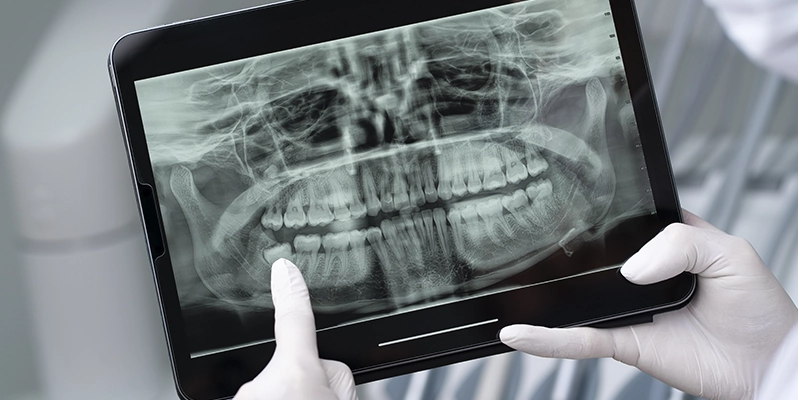
Bone grafting is a surgical procedure performed to strengthen the jawbone in patients who do not have enough bone volume to perform treatments such as dental implants in a healthy way. Osteoporosis can occur in areas that have not been used for a long time due to missing teeth. This makes implant treatment difficult. Thanks to the bone grafting procedure, the jawbone regains volume in the missing area and a suitable ground is created for the implant.
This treatment is used not only for implants; it is also used in cases such as preserving bone volume after some tooth extractions, cyst operations or repairing jaw bone losses after trauma. At İşman Dental, this procedure is meticulously planned and implemented by specialist physicians in the field.
Who is Suitable for Bone Grafting?
Bone graft applications are recommended for patients who have a loss of volume or density in the jawbone. This condition usually occurs in areas that have been toothless for a long time. The contact of the tooth roots with the bone is lost over time and osteoporosis begins in this area. In addition, bone tissue loss can occur due to reasons such as cyst surgery, trauma or advanced gum disease.
In cases where implants are desired but the bone volume is insufficient, bone grafting becomes almost mandatory. This procedure allows the implant to be placed firmly and long-lastingly. Bone grafting is also necessary for patients who have lost teeth at a young age, patients with a wide sinus cavity in the upper jaw region, and those who will have implants in aesthetic areas.
How is Bone Grafting Performed?
Examination and Radiological Evaluation
First, a detailed clinical examination and jaw bone evaluation is performed. At this stage, the thickness, height and density of the bone are measured with panoramic X-rays or three-dimensional tomography images. After the bone volume in the missing area is determined, how much and what type of graft will be used is planned.
Selection of Graft Type
Materials from different sources can be used in bone graft applications. Autogenous graft (tissue taken from the person’s own bone), allogeneic graft (bone taken from another person and sterilized), xenograft (animal-derived graft) or synthetic grafts may be preferred. The type of graft to be used is determined by the patient’s condition, the area to be treated and the treatment plan.
Surgical Application
During the surgical procedure performed under local anesthesia, the determined graft material is placed in the area with bone deficiency. If necessary, special membranes that support the bone membrane are also applied on this material. After the graft is placed, the area is closed with stitches and the healing process begins.
The Process of Recovery and Control
After bone grafting, a waiting period of 3 to 6 months is usually required for the graft material to integrate with the natural bone. During this process, the patient is checked at regular intervals. If deemed necessary, reinforcement procedures can be performed. When the bone reaches sufficient volume, implant treatment can be started.
What are the advantages of bone grafting?
Bone graft applications make many treatments that cannot be performed due to jaw bone insufficiency possible again. In particular, the success of implant treatment depends largely on the strength of the bone. Thanks to the graft application, the durability of the implants increases, chewing function is strengthened and aesthetic results are achieved.
It is also important to prevent collapse of the jaw bone, to preserve facial contours and to restore speech function to its natural state. This procedure provides the patient with a more comfortable, healthy and aesthetic quality of life in the long term.
How Long Does Bone Grafting Take?
The duration of the procedure varies depending on the amount of graft to be applied and the technique. While a small graft procedure applied to a simple area takes an average of 30–45 minutes, procedures applied to larger areas may take up to 1 hour. The recovery period required for bone formation to be completed usually varies between 3 and 6 months.
At the end of this period, implant treatment can begin. In some special cases, both graft and implant applications can be made in the same session. At İşman Dental, each treatment plan is prepared specifically for the individual and the duration of the process is clearly determined during the first examination.
What Should Be Considered After Bone Graft?
There are some basic rules that the patient should follow after the procedure. During the first 24 hours, it is necessary not to put pressure on the operation area and to avoid hot foods and drinks. Negative pressure-creating actions such as rinsing the mouth, spitting or using a straw should be avoided.
The medications recommended by the doctor should be used regularly, smoking and alcohol consumption should definitely be stopped. During the healing process, the area should not be pressed with hard or sharp foods, and teeth brushing should be done carefully. Regular check-ups should not be neglected and the doctor’s recommendations should be followed to the letter.
Risks and Complications of Bone Grafting
As with any surgical procedure, bone grafting can carry some risks. Although rare, complications such as infection, swelling, bleeding, displacement of the graft material, or the body not accepting the graft can occur. If these types of situations are detected early, they can usually be treated and the healing process will not be interrupted.
In order to prevent such complications at İşman Dental, the entire process is carried out under sterile conditions and in accordance with scientific protocols. In addition, detailed information is provided to the patient after the procedure and rapid intervention is provided in case of any problems.
Bone Graft Prices
Prices for bone graft applications vary depending on the type and amount of graft to be used, the width of the area to be treated, and additional treatments to be applied. In addition, advanced technology equipment and physician experience used in patient-specific treatments may also have an impact on the cost.
For the most accurate pricing information, a detailed examination and radiological evaluation of the patient should be performed. At İşman Dental, all pricing is shared openly with the patient after the treatment plan is finalized.