

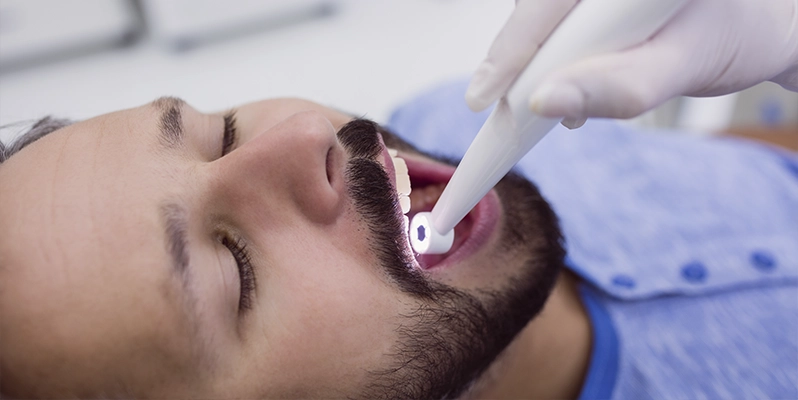
Sinus lift is an advanced surgical procedure performed when there is not enough bone height in patients who want to have dental implants in the upper jaw (especially in the area where the molars are located). During this procedure, the maxillary sinus membrane in the upper jaw is carefully lifted up and a bone graft is placed in the resulting space. In this way, a bone volume of sufficient height is created for the implant to be placed.
Over time, the upper jaw bone thins or, in cases of long-term toothlessness, the sinus cavity sags downwards. In this case, since there is not enough bone for implant application, a sinus lift procedure becomes necessary. At İşman Dental, this operation is meticulously planned by advanced imaging techniques and expert physicians.
In Which Cases Is Sinus Lift Applied?
Sinus lift is usually applied in cases where implants are desired in the back areas of the upper jaw, namely the areas where the first and second molars are located, but the jawbone height is insufficient. The bone level in this area may decrease as a result of the sinus cavity sagging or the bone melting over time.
In addition, bone volume may decrease due to trauma, age-related bone loss, long-term tooth loss, advanced gum disease, or unsuccessful tooth extraction. For patients who cannot have implants in the posterior region of the upper jaw for all these reasons, sinus lift is a key solution that enables implant treatment.
How is Sinus Lift Performed?
Examination and Imaging
First, the jaw bone structure is evaluated with panoramic X-ray and three-dimensional tomography (CBCT). The position, thickness and bone height of the sinus cavity are measured in detail. Based on these data, it is decided whether the patient is suitable for sinus lifting.
Surgical Planning and Anesthesia
Before the procedure, the patient is given local anesthesia to make the procedure area completely painless. In some special cases, sedation or general anesthesia may also be preferred.
Sinus Membrane Removal
During the surgical procedure, a small window is opened in the upper jaw bone and the sinus membrane is carefully lifted upwards. The most important step of this procedure is to lift the membrane without tearing it. When performed by an experienced team, this step is completed safely.
Graft Application and Closure
Bone powder (graft) is placed in the elevated sinus cavity. The graft used can be from the patient’s own bone, animal-derived or synthetic materials. After the graft material is placed, the area is covered with special membranes and stitched closed.
What are the advantages of Sinus Lift?
Thanks to sinus lifting, implants can be safely placed in upper jaw areas that do not have sufficient bone volume. Thus, the patient can get rid of classic palatal prostheses and have fixed and aesthetic implant teeth. Thanks to the new bone volume formed after the procedure, the implant’s integration into the jaw bone and its longevity are significantly increased.
In addition, sinus lifting prevents collapse in the jaw bone, ensures that the facial structure remains balanced and provides a younger and healthier appearance in terms of aesthetics. This procedure is a critical application that paves the way for implant treatment, especially for the upper jaw area, which has a high aesthetic priority.
How Long Does a Sinus Lift Take?
The sinus lift procedure takes between 45 minutes and 1 hour on average. However, this period may vary depending on the technique to be applied and the width of the area to be treated. In some cases, an implant can be placed in the same session as the sinus lift procedure. However, in most cases, a healing process of 4 to 6 months is expected for the bone graft to integrate into the sinus cavity. At the end of this process, implant treatment is started on the newly formed bone.
At İşman Dental, treatment planning is made individually and the duration of the procedure, the healing period and the timing of implant application are explained to the patient in detail during the first examination.
What Should Be Considered After Sinus Lift?
After the operation, the patient should rest for the first 48 hours, avoid blowing their nose and cleaning their nose. Heavy exercises that may put pressure on the sinus area should be avoided, and sudden movements such as bending forward should not be made. It is especially important to stay away from activities that affect air pressure, such as flying or going to high altitudes.
Oral cleaning should be done as recommended, prescribed medications should be used regularly, and hard foods that may damage the area should be avoided. Attending scheduled check-up appointments to check stitches and regularly monitor healing is also very important for the success of the process.
Are There Any Complications of Sinus Lift Procedure?
When performed by an experienced team and with the right surgical techniques, sinus lift is a safe procedure. However, as with any surgical intervention, some complications can occur. The most common situation is the rupture of the sinus membrane. In such cases, the procedure can be temporarily stopped and can be performed again after the membrane heals.
Side effects such as infection, swelling, mild bleeding and bruising are also rare but can be seen. These conditions are usually controlled with antibiotic treatment and careful care. At İşman Dental, the post-operative process is closely monitored and risks are minimized.
Sinus Lift Prices
Sinus lift prices vary depending on whether the procedure is unilateral or bilateral, the graft material to be used, and any additional procedures the patient requires. Whether or not implants will be applied in the same session may also have an impact on the cost. In addition, the complexity of the procedure and the surgical technique to be used are also determining factors in pricing.
The most accurate price information can only be given after a detailed clinical examination and imaging. At İşman Dental, all treatment plans are prepared individually and clear and transparent cost information is presented to the patient before the procedure.